Weight Loss Support After 40: Why It Matters
Why Support Is the Missing Piece in Weight Loss After 40
If you have been trying to lose weight on your own and continually find yourself starting over, the problem may not be your motivation, discipline or willpower.
The missing piece may simply be the right kind of support.
Many women believe they should be able to manage their weight and health independently. We gather information, make plans and promise ourselves that this time will be different.
Then life happens.
Work becomes demanding. A family member needs us. We don’t sleep well. Stress takes over. We miss a workout or eat something we hadn’t planned—and suddenly it feels as though we have ruined everything.
But one difficult day does not erase your progress.
Support can help you remember that.
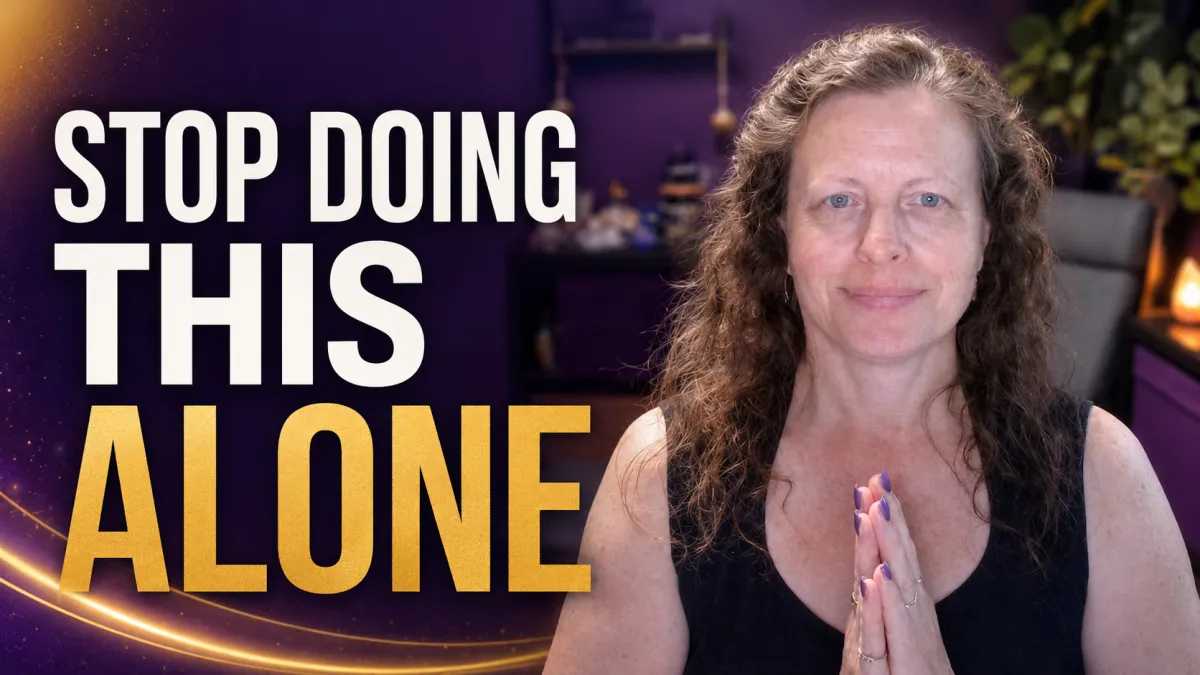
Watch: Why Support Is the Missing Piece in Weight Loss After 40
In this video, I explain why supportive accountability is different from pressure, how it helps break the all-or-nothing cycle and why accountability completes my 5-Step Strategy.
I Thought I Should Be Able to Do It Alone
For many years, I thought I should be able to manage my weight on my own.
I spent 21 years in the military, where exercise was part of the culture. I exercised regularly, counted calories and tried many different weight-loss programs.
I would lose 20 pounds, gain it back, lose it again and then gain even more. Over the years, I estimate that I lost and regained more than 300 pounds altogether.
Every time I regained the weight, I thought I had failed.
I believed I needed to be more disciplined, work harder or find a better program.
Eventually, I realized that knowing what to do and consistently putting that knowledge into practice are two very different things.
Information matters—but information alone is not always enough.
We also need encouragement, accountability and a safe place to talk honestly about what is and isn’t working.
Support Is Not Pressure or Judgement
When some people hear the word “accountability,” they imagine someone watching over them, checking whether they followed every rule or making them feel guilty when they didn’t.
That isn’t supportive accountability.
The right support is not about being judged as “good” or “bad.” It should never make you feel controlled, ashamed or afraid to be honest.
Supportive accountability gives you a safe place to say:
This is what worked for me this week.
This is where I struggled.
This is what got in the way.
This is what I would like to try next.
It helps you look at a difficult experience as useful information—not evidence that you have failed.
Instead of asking, “What is wrong with me?” you can ask, “What made this difficult, and what support would help?”
That small change in perspective can make it much easier to continue.
Why Support Is Especially Important After 40
Women over 40 are often managing many responsibilities at the same time.
You may be building a career, managing a household, caring for children, supporting aging parents or helping other people through challenging seasons.
You may also be navigating changes in your energy, sleep, stress levels, hormones or body composition.
You are probably very good at supporting everyone around you—but how comfortable are you receiving that same support?
When we try to handle everything alone, healthy habits are often the first things to disappear from our schedules.
Then, instead of recognizing that we are overwhelmed, we blame ourselves for not having enough willpower.
You don’t necessarily need to try harder.
You may need a plan that fits your current life and someone who can help you follow through with kindness and consistency.
Support Helps Break the All-or-Nothing Cycle
The all-or-nothing mindset tells us that if we cannot follow our plan perfectly, there is no point continuing.
You miss one workout and decide the week is ruined.
You have an unplanned meal and tell yourself you will start again on Monday.
You don’t see immediate results and assume nothing is working.
Support helps interrupt that pattern.
A supportive coach, friend, partner or community can help you step back and see the bigger picture. They can remind you of the progress you may be overlooking and help you choose a realistic next step.
Instead of starting over, you learn how to continue.
This does not mean ignoring your goals or making excuses. It means responding to challenges with curiosity and problem-solving instead of criticism.
What Healthy Support Looks Like
The right support should leave you feeling encouraged, capable and empowered.
Healthy support may include:
Helping you choose realistic weekly goals
Celebrating progress beyond the number on the scale
Looking for solutions when something isn’t working
Encouraging consistency without expecting perfection
Reminding you why your health matters to you
Helping you return to your habits after a difficult day
Providing a safe place for honesty without judgment
Support can come from a coach, friend, family member, partner or group. What matters is that the relationship helps you move forward without making you feel pressured or controlled.
Accountability Completes the 5-Step Strategy
Accountability is the fifth step in my 5-Step Strategy for sustainable weight management.
The complete strategy includes:
Your relationship with food
The psychology of weight loss
An active lifestyle
Stress management
Accountability
The first four steps give you the knowledge and tools needed to create a healthier lifestyle.
Accountability helps you put those tools into practice consistently.
You do not need to change your entire life overnight. You do not need to follow a perfect plan. And you certainly do not need to do everything alone.
Discover Which Step Needs Your Attention
If you are tired of starting over and would like help identifying what may be keeping you stuck, download my free 5-Step Strategy Starter Kit.
The Starter Kit will guide you through each of the five areas and help you choose a simple, realistic first step toward your health and weight-management goals.
DOWNLOAD THE FREE 5-STEP STRATEGY STARTER KIT
Small, consistent changes create lasting transformation—and the right support can help you keep making those changes, even when life doesn’t go according to plan.


