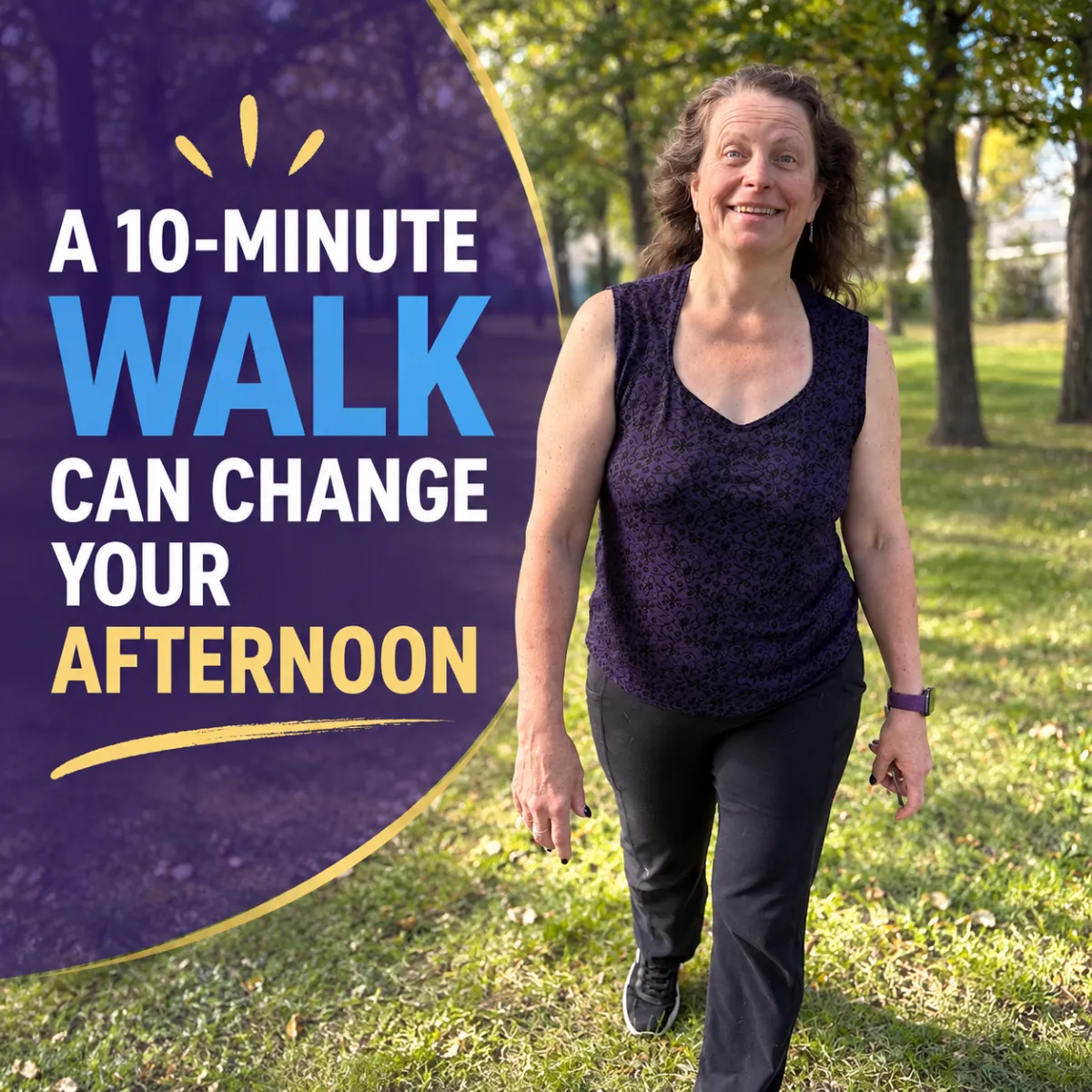
What Happens When You Walk for 10 Minutes After Eating?
Have you ever finished a meal and immediately felt tired, sluggish or ready to settle onto the couch?
What if one of the simplest things you could do for your energy and weight-management goals was to take a short walk after eating?
You do not need an intense workout, a gym membership or special equipment. A gentle five- to ten-minute walk after one meal can be a realistic place to begin—especially if you are trying to become more active after 40.
Why walk after eating?
After a meal, your body begins digesting the food and using the energy it provides. When you move your muscles, they use some of that available energy.
Research has found that walking after meals can reduce the rise in blood glucose following a meal in some groups, including older adults and people at risk for impaired glucose tolerance. That does not make walking a treatment or a replacement for medical care, but it does make post-meal movement a practical habit worth considering.
A short walk may also help you interrupt long periods of sitting and add more movement to your day without needing to schedule a separate workout.
The habit is simple: Eat, then move
Many healthy intentions disappear because they are vague:
I should exercise later.
Later gets busy. Energy drops. Motivation disappears.
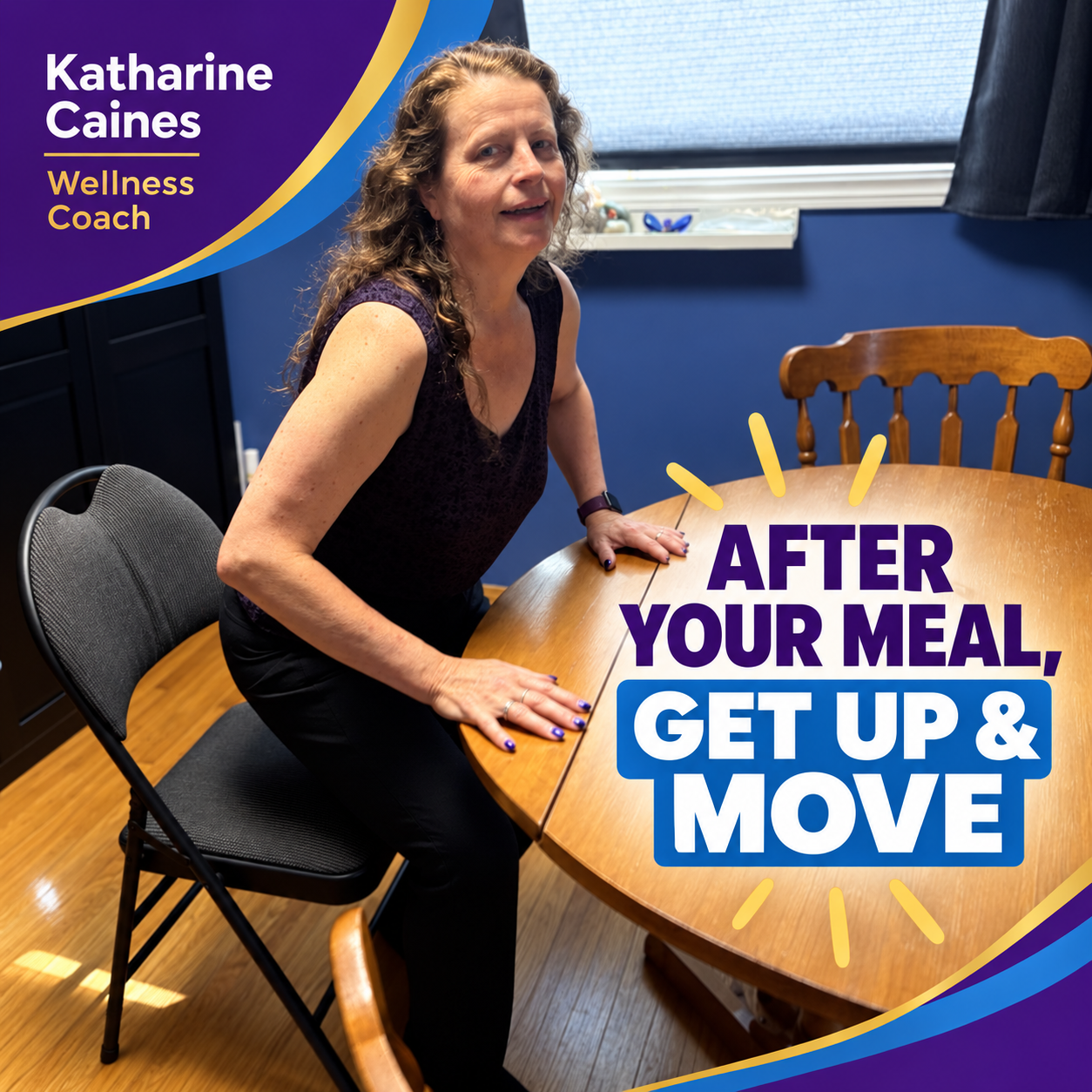
Instead, connect movement to something you already do every day:
After dinner, I walk for ten minutes.
This is called habit pairing. Your meal becomes the reminder, so you do not have to wait until you feel motivated.
Choose the meal that fits your life best. Breakfast may work if your mornings are flexible. Lunch might help break up a desk-heavy day. Dinner may be easiest because you can walk around your neighbourhood, clear your mind and transition into the evening.
There is no single perfect meal. The best choice is the one you can repeat.
Start with five minutes if ten feels like too much
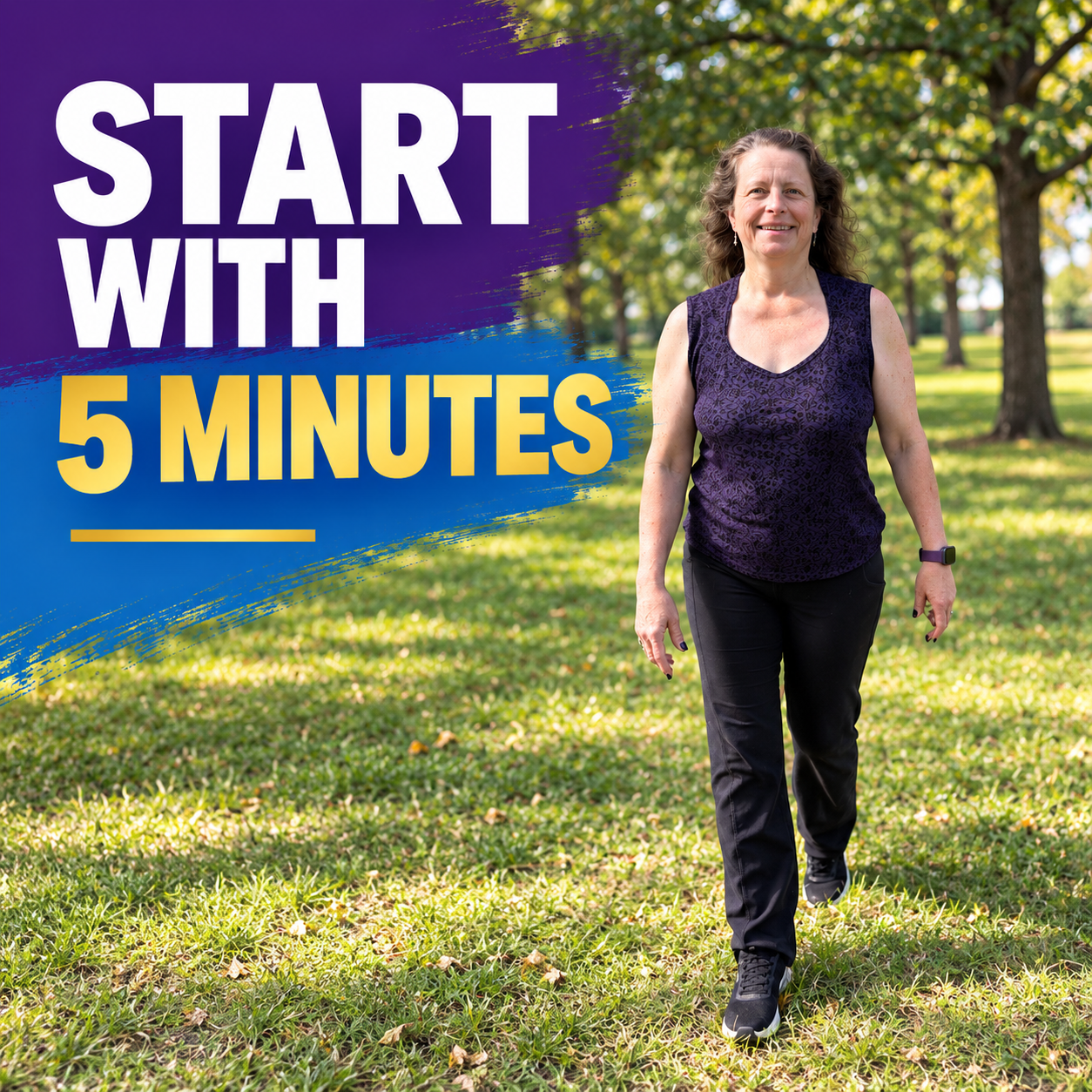
Ten minutes is a helpful target, not a test you must pass.
If ten minutes feels difficult today, start with five. If walking outdoors is uncomfortable or the weather is poor, walk through your home, march gently in place or use an indoor hallway.
A five-minute walk you actually take is more valuable than a thirty-minute workout you continually postpone.
Once five minutes feels natural, you can gradually add another minute or two. Sustainable progress is built through repetition—not through forcing yourself to do too much at once.
Movement is care, not punishment
An after-meal walk is not about earning your food or trying to burn off what you ate.
Food provides nourishment and energy. Movement helps you care for your body, maintain mobility and support your overall well-being.
That distinction matters, particularly if exercise has felt like punishment in the past. You are not walking because you did something wrong by eating. You are walking because your body deserves regular movement and attention.
Make your after-meal walk easier
Use these strategies to remove common barriers:
Put your shoes where you can see them. Keep them near the place where you finish your meal.
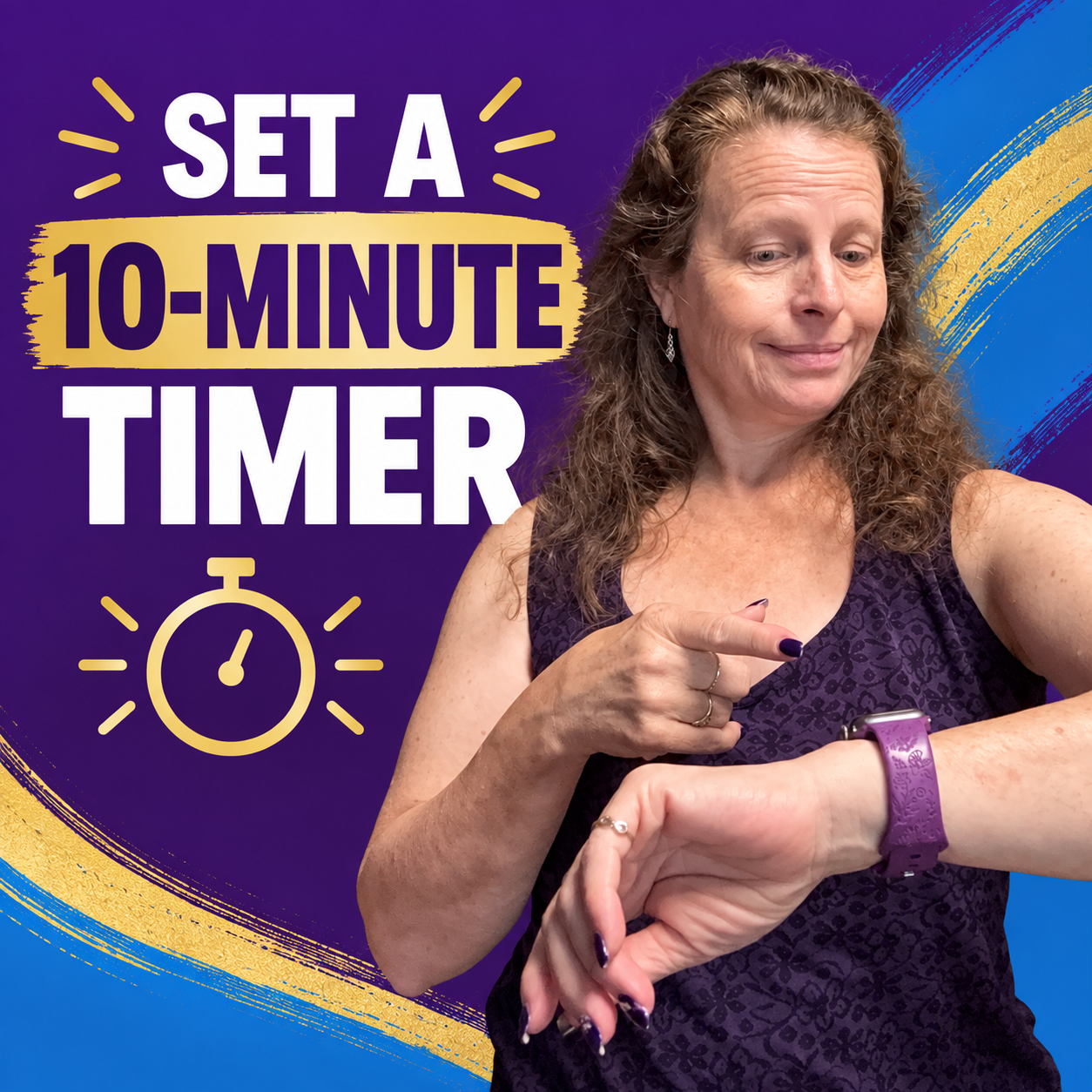
Set a ten-minute timer. Knowing exactly when the walk will end can make starting easier.
Make it enjoyable. Listen to music, an audiobook or a favourite podcast.
Invite someone. Walk with your partner, a friend or a family member.
Create an indoor option. Decide in advance what you will do when the weather does not cooperate.
Focus on consistency—not speed. A comfortable walk still counts.
Try the seven-day after-meal walking challenge
For the next seven days, choose one meal and walk for five to ten minutes afterward.
Notice what changes. Pay attention to your energy, mood, digestion and how easily the walk begins to fit into your routine.
Do not worry about making it perfect. If you miss a day, continue after your next meal. You have not failed, and you do not need to restart the entire challenge.
Watch: What Happens When You Walk for 10 Minutes After Eating?
In this week's video, I explain why this small habit can be such an accessible way to add movement after 40—and how to make it work even when you are busy or the weather keeps you indoors.
Watch the video: https://youtu.be/rSzssaMlMrM
Download the free MOVE: 10-Minute Routine Guide
If you would like more help getting started, download my free MOVE: 10-Minute Routine Guide. It will help you add simple, manageable movement to your day without an overwhelming workout plan.
Get the free guide: https://kcaines.ca/move-made-simple-guide
Which meal would be the easiest one for you to walk after—breakfast, lunch or dinner?
Small, consistent changes create lasting transformation.
Research referenced
DiPietro L, et al. Three 15-min bouts of moderate postmeal walking significantly improves 24-h glycemic control in older people at risk for impaired glucose tolerance. Diabetes Care. 2013. https://pubmed.ncbi.nlm.nih.gov/23761134/
Reynolds AN, et al. Advice to walk after meals is more effective for lowering postprandial glycaemia in type 2 diabetes mellitus than advice that does not specify timing. Diabetologia. 2016. https://pubmed.ncbi.nlm.nih.gov/27747394/
CDC. Benefits of Physical Activity.https://www.cdc.gov/physical-activity-basics/benefits/index.html


