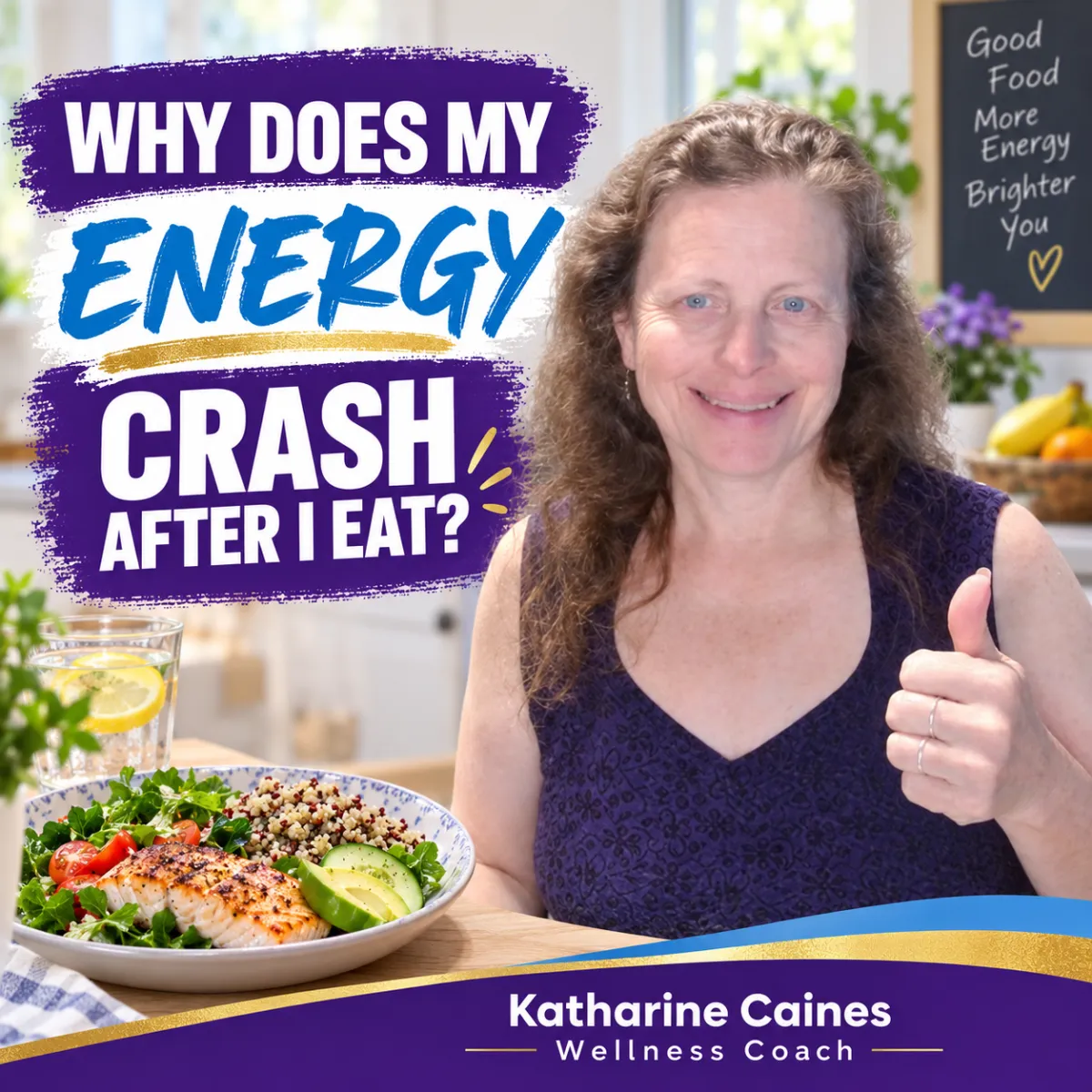
Why Your Energy Crashes After You Eat—and How to Fix It After 40
Do you ever finish a meal and feel as though someone turned down your energy switch? You may feel sleepy, sluggish, unfocused or ready for a nap—even when you thought you ate a “healthy” meal.
That post-meal crash is common for women over 40, but it is not something you simply have to accept. Your body may be asking for a more supportive combination of foods, better meal timing or more hydration—not a stricter diet.
The goal is not to fear food or remove every carbohydrate. It is to build meals that provide steadier fuel so you can move through your day with more consistent energy.
Why does your energy crash after eating?
After you eat, your body breaks food down into nutrients it can use for energy. Carbohydrates are converted into glucose, which is an important source of fuel. When a meal contains mostly quickly digested carbohydrates and very little protein, fibre or healthy fat, that glucose can enter the bloodstream quickly. Your body responds by releasing insulin to move it into your cells.
For some people, the rise and fall can feel like a burst of energy followed by fatigue, cravings or brain fog. This does not mean carbohydrates are bad. It means the overall balance of the meal matters.
Other factors can also contribute to a post-meal slump:
Eating a very large meal after going too long without food
Not including enough protein or fibre
Relying on highly refined foods that digest quickly
Being mildly dehydrated
Poor sleep, stress or an inconsistent eating schedule
1. Build an Energy Plate
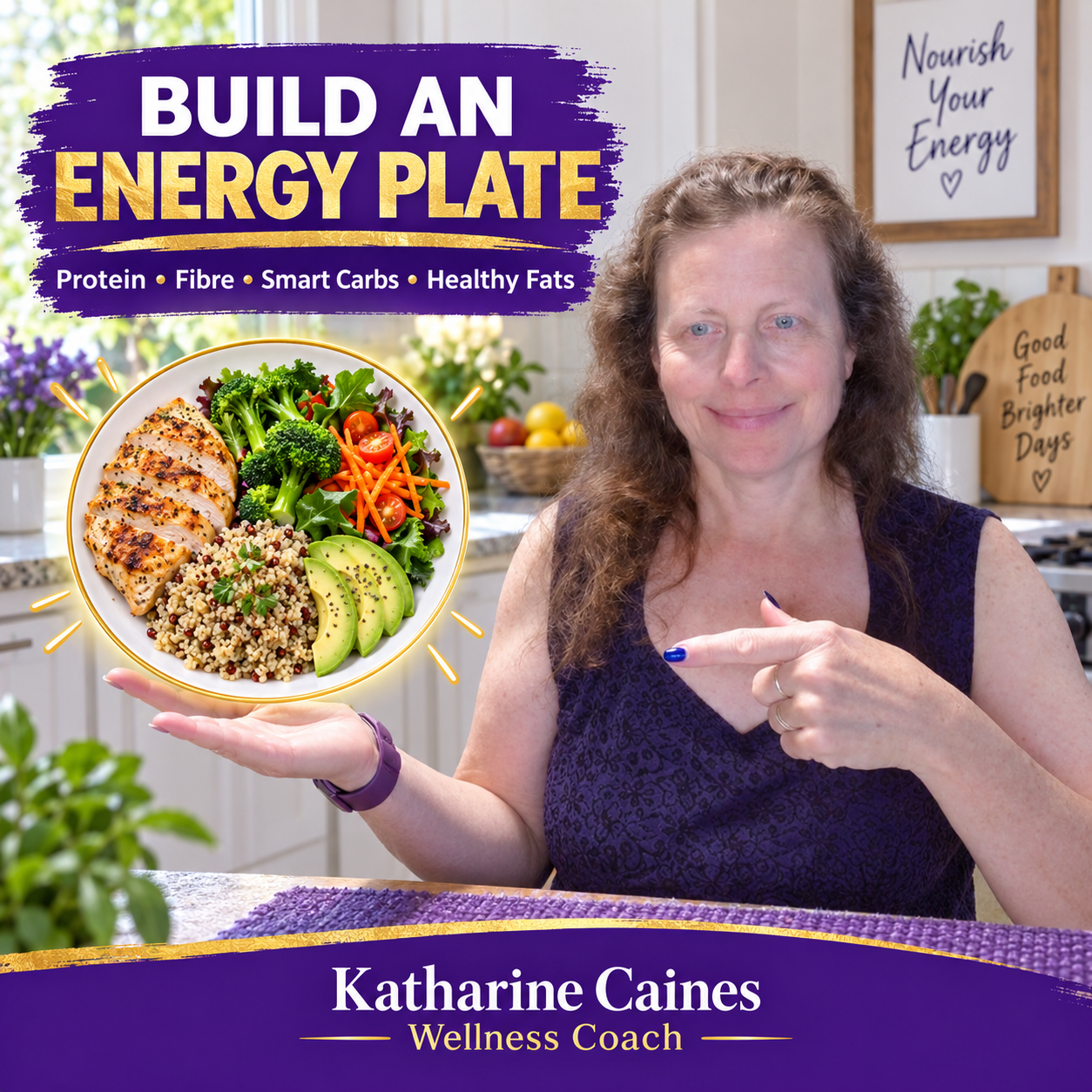
A balanced meal does not need to be complicated. Use this simple Energy Plate as a guide:
Protein: eggs, Greek yogurt, fish, chicken, tofu, cottage cheese, beans or lentils
Fibre-rich vegetables or fruit: leafy greens, broccoli, peppers, berries, apples or whatever colourful produce you enjoy
A quality carbohydrate: oats, quinoa, brown rice, potatoes, sweet potatoes, fruit or whole-grain bread
A healthy fat: avocado, nuts, seeds, olive oil or natural nut butter
You do not need to measure every bite. Instead, look at your plate and ask: What could I add to make this meal more balanced?
2. Pair protein and fibre
Protein and fibre are a powerful pair for steadier energy. They help make meals more satisfying and slow digestion, which can reduce the sharp rise and fall that leaves you looking for coffee or something sweet an hour later.
Try Greek yogurt with berries and seeds, eggs with vegetables and whole-grain toast, or add beans, lentils, seeds or colourful produce to a meal you already enjoy. You do not need a perfect diet—just a more supportive combination.
3. Stop treating carbohydrates as the enemy

Carbohydrates provide energy for your brain, muscles and daily activities. Cutting them out completely may leave you feeling even more tired, especially if you are active.
The helpful question is not “How do I avoid carbs?” It is “What can I pair with this carbohydrate?” Oatmeal becomes more balanced with Greek yogurt or protein powder, berries and nuts. An apple becomes a steadier snack when paired with cheese or nut butter. A potato can be part of an energizing meal when served with protein, vegetables and a little healthy fat.
Balance matters more than restriction.
4. Eat before you are running on empty
If you wait until you are extremely hungry, it becomes harder to make a supportive choice. You may eat quickly, choose whatever is easiest and continue eating before your body has time to register satisfaction.
Plan balanced meals and snacks before your energy disappears. A little preparation can prevent the afternoon crash and the “I’ll eat anything” feeling. Keep a few easy options available, such as hard-boiled eggs, Greek yogurt, fruit, vegetables and hummus, nuts or leftovers from a balanced dinner.
5. Check your hydration
Low energy is not always about food. Even mild dehydration can affect focus, mood and energy. Keep water visible, sip consistently and pair hydration with routines you already have—such as meals, medications or your morning coffee.
You do not need to drink a huge amount all at once. Small, consistent sips throughout the day are often easier to maintain.
A simple experiment for your next meal
At your next meal, pause before you eat and look for four things: protein, fibre-rich produce, a quality carbohydrate and a healthy fat. If one is missing, add the easiest option available.
Then notice how you feel one to two hours later. Are you satisfied? Focused? Looking for something sweet? Ready for a nap? This is not about judging yourself. It is about learning what supports your body.
Watch the Energy Week video
For more practical ideas, watch Why Your Energy Crashes After You Eat—and How to Fix It After 40.
Get your free Energy Reset Guide
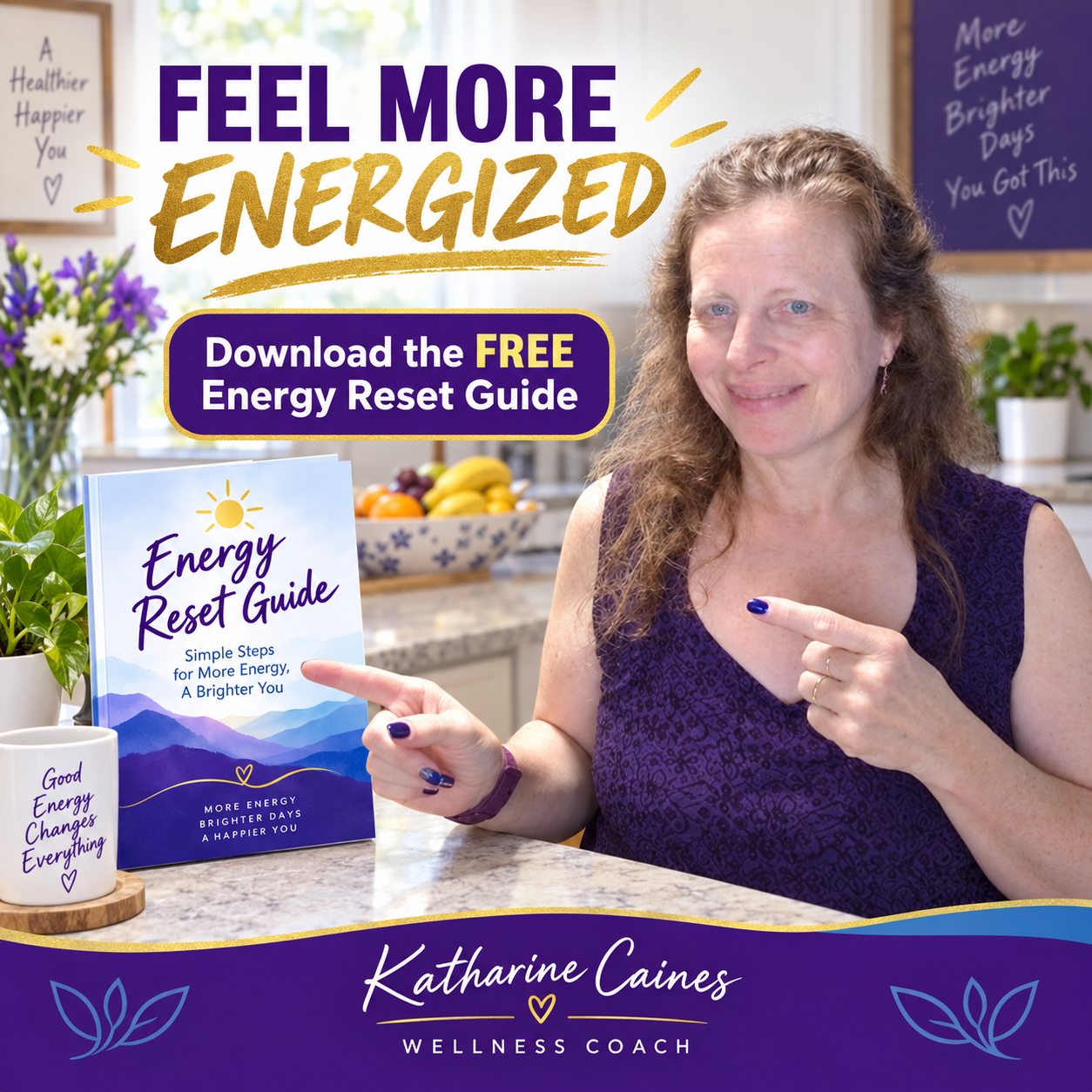
If you are ready to feel more energized without another restrictive plan, download the free Energy Reset Guide. It gives you simple, realistic steps to support steadier energy throughout your day.
Start with one small change and build from there. Small, consistent changes create lasting transformation.


