
Healthy Habits After 40: Give Your Routine a Home
You meant to take a movement break. You meant to refill your water glass. You meant to prepare something for lunch before the afternoon became busy.
Then you looked up and the day had moved on.
If this sounds familiar, try looking at where the habit belongs in your day. A general intention can leave you making the same decision again and again: When will I do it? What exactly will I do? What happens if the day changes?
This week’s Reset offers one practical experiment: give one healthy habit a home. Choose a familiar cue, name a small action and decide on a fallback. You can test the plan and adjust it as you learn.
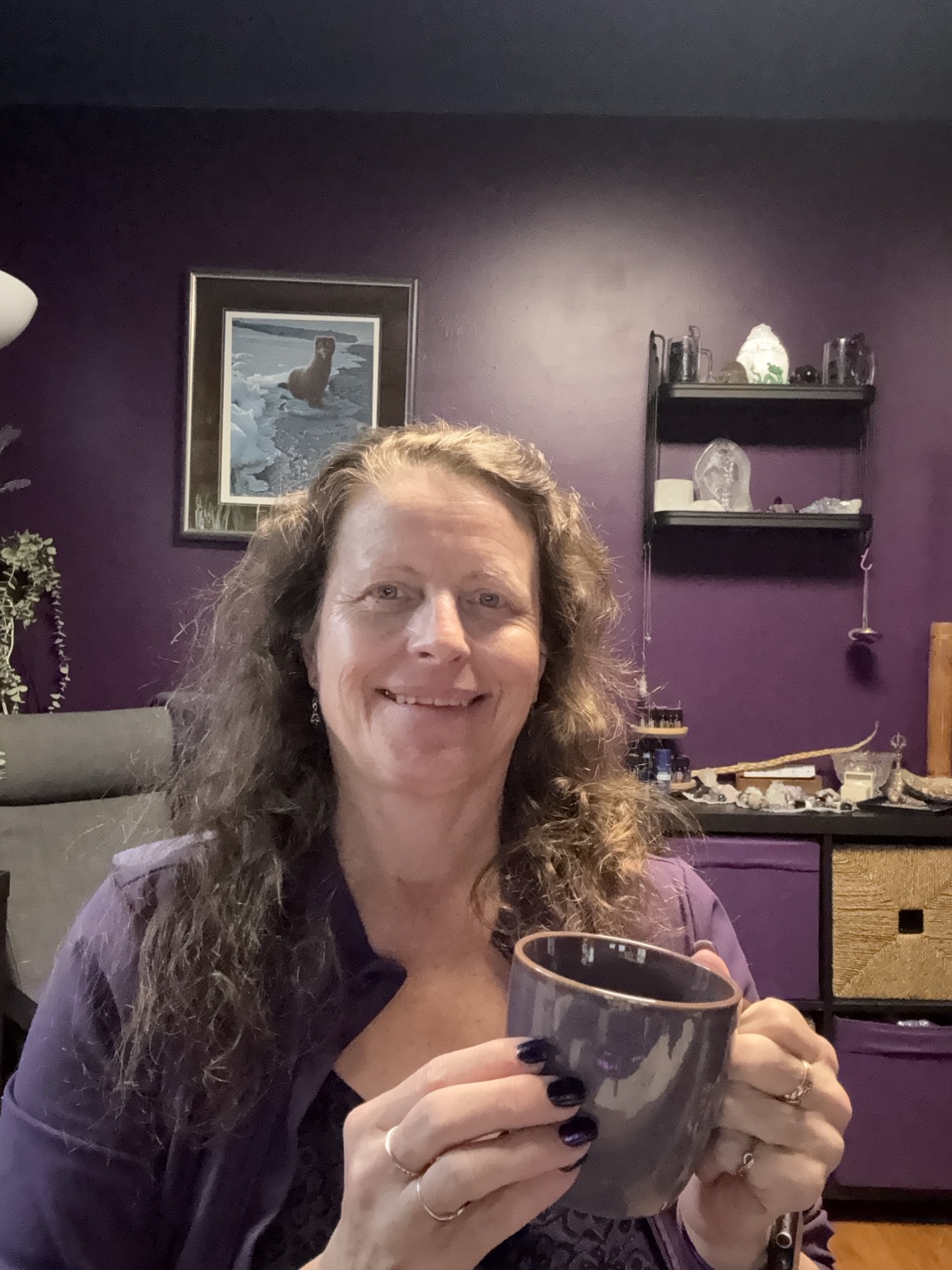
A familiar cup of tea can become a cue for one small healthy habit.
1. Choose a moment you already notice
Begin with an ordinary event in your current routine. Perhaps you finish breakfast, set down your first cup of tea, return from an appointment or close your laptop.
Choose something that happens often enough to be useful and is easy for you to recognise. It doesn’t have to happen at a fixed time. An event-based cue can be more practical if you work shifts or your mornings vary.
For example, “after I put my breakfast plate away” is more specific than “when I have time.” It gives the habit a place to begin.
Think about your actual day. If breakfast is consistently rushed, another moment may be a better fit. You are choosing a starting point that works for you.
2. Make the action clear and manageable
Next, decide what you will do after that cue. Keep your first version simple enough for an ordinary day.
Here are three possible plans. Choose one that is useful to you, or write your own:
After I set down my tea mug, I will refill my water glass.
After I put away my breakfast plate, I will walk indoors for five comfortable minutes.
After I finish dinner, I will write down one easy breakfast idea for tomorrow.
These examples are a menu, not a checklist. You do not need to add all three habits at once.
Choose movement that suits your comfort and mobility, and adapt the example as needed. The goal here is to make the plan specific. A small starting action can help you see whether the cue and the activity fit together.
It may also help to remove one obstacle beforehand. Put your notebook where you will use it. Keep comfortable shoes somewhere convenient without creating a trip hazard. Make the next action easier to notice.
3. Add a fallback for the day that changes
Even a thoughtful plan will meet an interrupted morning, a long appointment or a day when you need more rest.
A fallback gives you a choice in advance. You might decide to use your next suitable break, choose a shorter version of the activity or return at the next opportunity.
For example: “If breakfast is rushed, I will take my movement break after lunch, if that fits.” Or: “If the usual walk feels like too much today, I can choose a shorter, comfortable version.”
Your fallback should be supportive. It is not a penalty or an extra task to make up. Sometimes the right adjustment is to leave the activity for today and return tomorrow.
4. Review the plan with curiosity
After trying your plan for a few days, ask three questions:
Did I notice the cue?
Was the action manageable?
What would make it easier next time?
If you rarely noticed the cue, choose a more visible moment. If the action felt too large, reduce the starting version. If the activity kept colliding with other responsibilities, try a different part of your day.
That information is useful. You are learning how a routine fits your life, rather than measuring your worth against a perfect streak.
Your one-habit Reset experiment
Write down this sentence:
After I __________, I will __________. My fallback is __________.
Choose one habit to practise this week. Try the plan, notice what happens and make one useful adjustment. Your starting point can be modest and still matter to you.
Healthy habits after 40 need room for changing schedules, personal preferences and everyday responsibilities. Give your plan enough structure to find it and enough flexibility to keep learning.
Build a routine with support
If you’d like support making healthy habits fit your life, explore Holistic Weight Wellness. We can look at your routines, preferences and goals together, with accountability without pressure.
You can also book a discovery call to talk about a practical place to begin.
Small, consistent changes create lasting transformation.
Katharine Caines, Wellness Coach


