Too Tired to Exercise After 40? 5 Ways to Fuel Your Body for More Energy
Too Tired to Exercise After 40? 5 Ways to Fuel Your Body for More Energy
Have you ever planned to go for a walk or exercise, only to discover that you didn’t have the energy?
It is easy to assume that you need more motivation or willpower. But sometimes, your body simply hasn’t received the fuel and hydration it needs.
If you regularly feel too tired to exercise after 40, take a look at what—and when—you are eating and drinking. Movement can feel very different when your body is properly nourished.
Here are five simple ways to fuel your body for walking, exercise and everyday movement after 40.
1. Include Protein Throughout Your Day
Protein helps your body maintain and repair muscle. This becomes especially important as we get older and naturally begin losing muscle mass.
Many women eat very little protein at breakfast and lunch, then try to get most of it at dinner. Spreading protein throughout the day gives your body regular opportunities to use it.
Simple protein choices include:
Eggs
Greek yogurt
Cottage cheese
Chicken, turkey or fish
Lean meat
Tofu or tempeh
Beans and lentils
A protein smoothie
You do not need to follow a complicated meal plan. Begin by asking one simple question at each meal:
Where is the protein on my plate?
Protein also helps meals feel more satisfying, which may reduce the urge to reach for quick-energy snacks later.
2. Choose Quality Carbohydrates for Energy
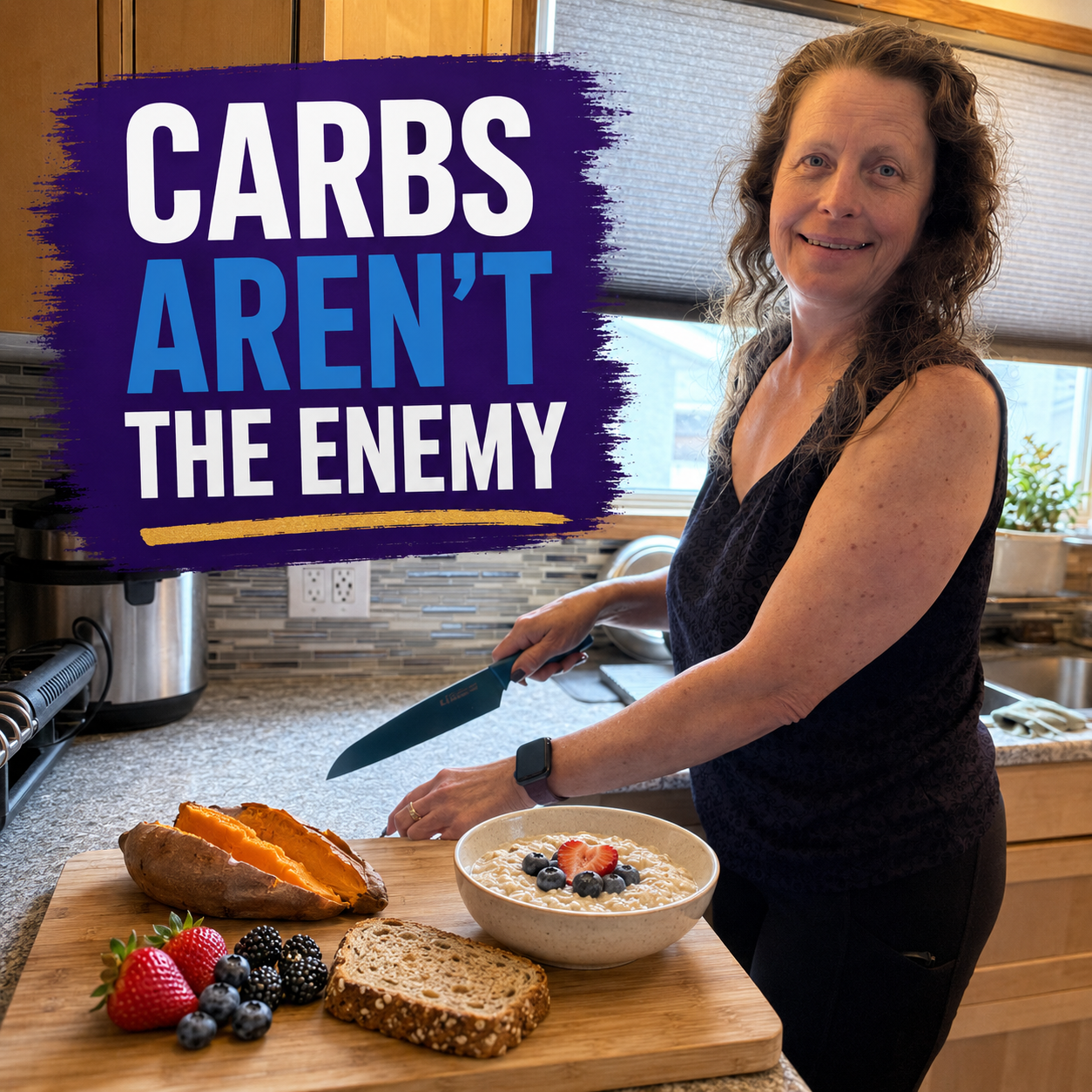
Carbohydrates are often treated as something to avoid, especially when weight loss is the goal. However, carbohydrates are one of your body’s primary sources of usable energy.
If you are consistently restricting carbohydrates, you may feel tired, sluggish or less interested in moving.
Quality carbohydrate choices include:
Fruit
Oatmeal
Potatoes and sweet potatoes
Brown or wild rice
Quinoa
Beans and lentils
Whole-grain breads and cereals
Try pairing a carbohydrate with protein for more balanced and lasting energy. This could look like Greek yogurt with berries, an apple with nut butter, eggs with whole-grain toast or chicken with roasted potatoes.
Carbohydrates are not the enemy. Your body needs energy to move.
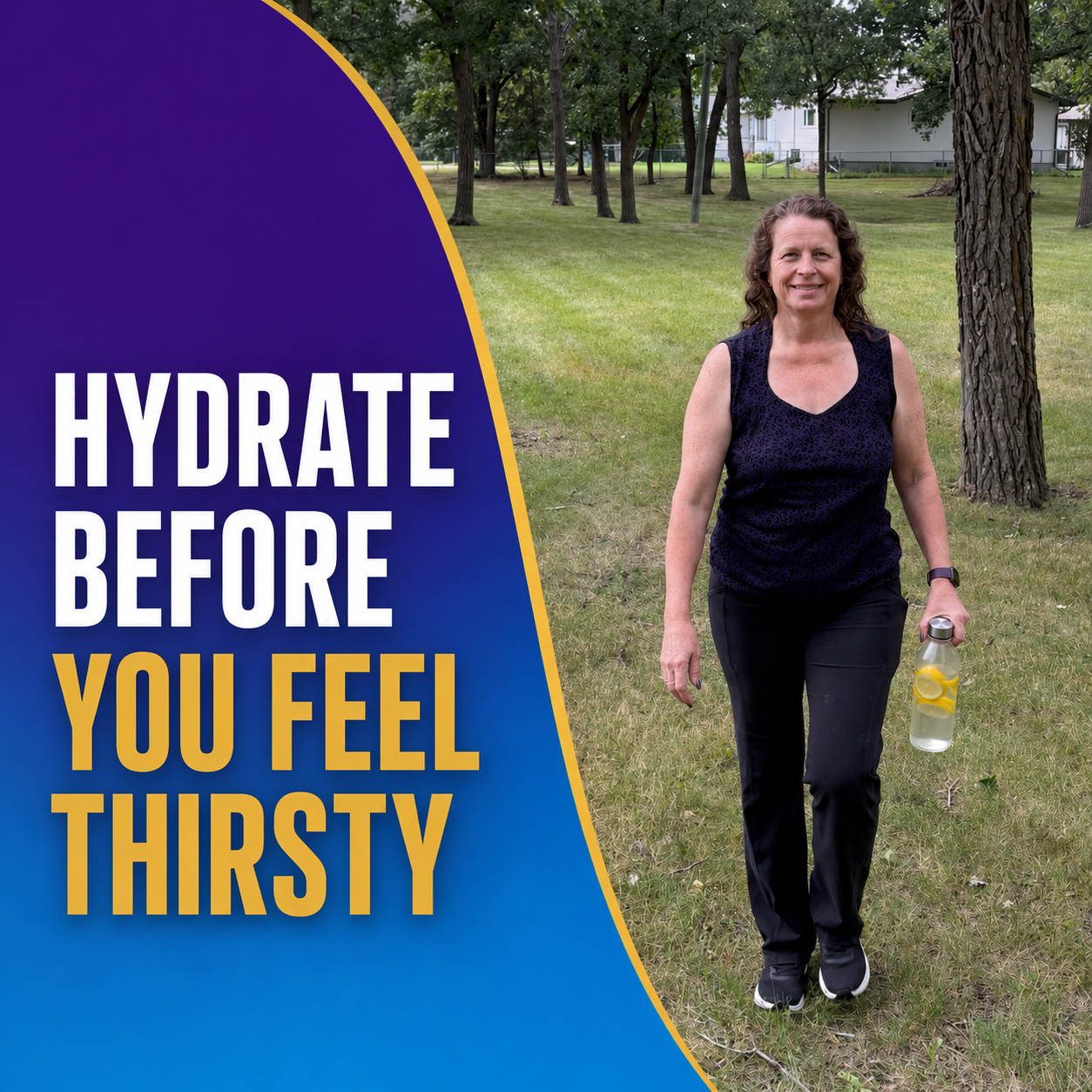
3. Hydrate Before You Feel Thirsty
Low energy is not always about food. Sometimes, you simply need more water.
Even mild dehydration can leave you feeling tired or sluggish. It may also make physical activity feel more difficult than it normally would.
Instead of waiting until you feel thirsty, create a few hydration cues throughout your day:
Drink a glass of water when you wake up.
Keep a water bottle where you can see it.
Have some water before going for a walk.
Drink regularly with meals.
Add fresh lemon, cucumber, berries or mint if you prefer flavoured water.
You don’t have to drink an enormous amount all at once. Regular hydration throughout the day is much easier on your body—and your bladder—than trying to catch up in the evening.
4. Have a Simple Snack Before Movement When Needed
You do not always need to eat before a short walk or gentle activity, particularly if you have eaten recently.
However, if several hours have passed since your last meal and you feel tired, shaky or distracted by hunger, a small snack may help you feel more comfortable moving.
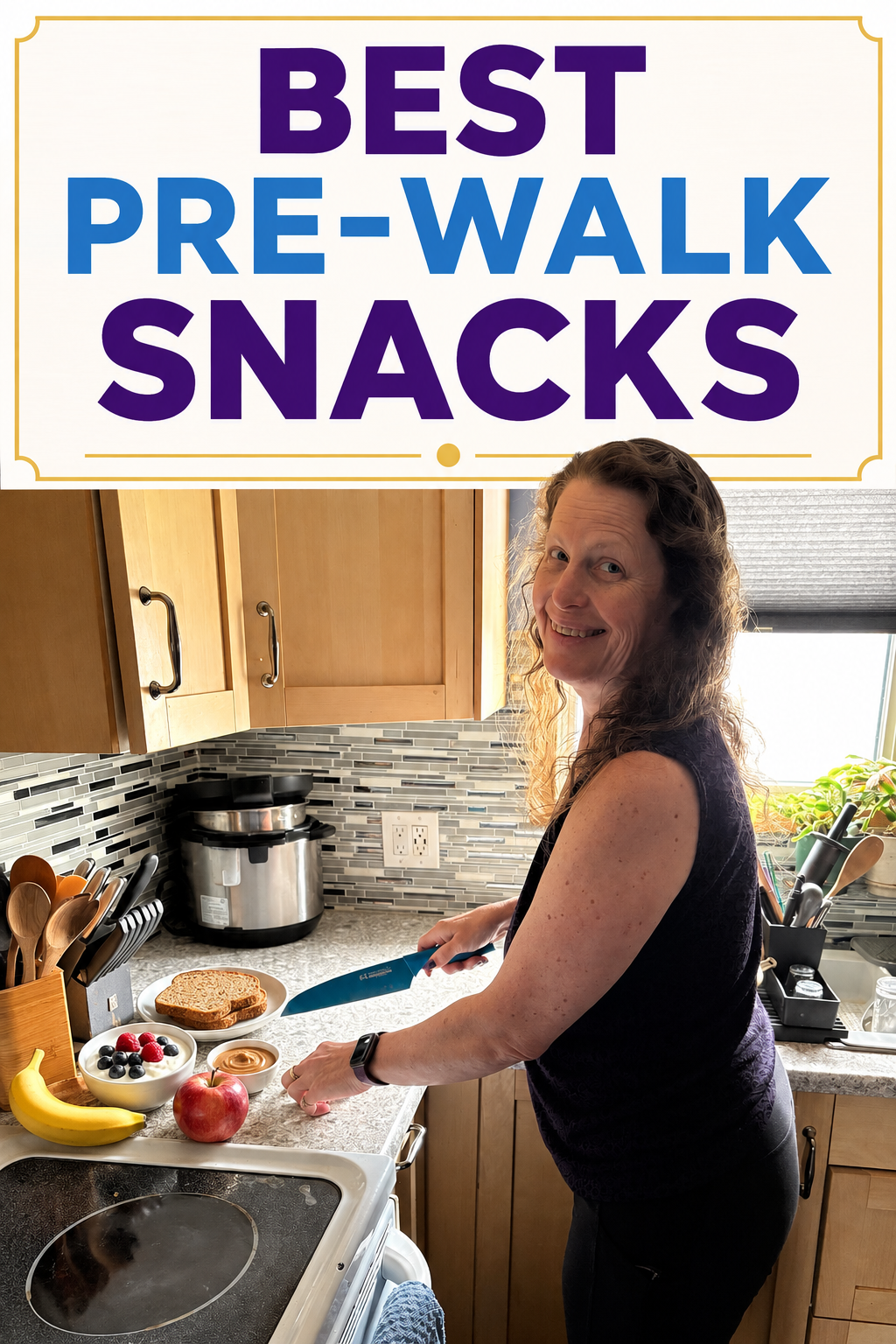
Try one of these simple pre-walk snacks:
A banana
An apple with nut butter
Greek yogurt with berries
Whole-grain toast with nut butter
Fruit with a small handful of nuts
Cottage cheese with fruit
The goal is not to eat a large meal immediately before exercising. It is to give your body enough fuel to feel steady and energized.
Pay attention to your body and notice which foods, portions and timing work best for you.
5. Refuel Without Using Food as a Reward
After exercising, many women fall into one of two patterns:
“I exercised, so I can eat whatever I want.”
Or:
“I’m trying to lose weight, so I shouldn’t eat now.”
Neither approach builds a peaceful or sustainable relationship with food.
Movement is not a punishment, and food does not need to be earned.
After more demanding activity, choose a balanced meal or snack containing protein, carbohydrates and fluids. This supports your energy and helps provide your body with the nutrients it needs following activity.
Think of refuelling as caring for your body—not rewarding it or cancelling out what you ate.
Start With One Simple Change
You do not need to overhaul your eating habits or begin an intense exercise program.
Choose one small change:
Add protein to breakfast.
Include a quality carbohydrate with lunch.
Drink water before your walk.
Prepare a simple pre-movement snack.
Eat a balanced meal after activity without guilt.
Then notice how your body responds.
When you fuel and hydrate yourself consistently, movement may begin to feel less like another exhausting task and more like something your body is ready to do.
The goal is not to force yourself through a punishing workout. It is to nourish your body so you have the energy and confidence to enjoy an active life.
Ready to Move More?
My free MOVE: 10-Minute Routine Guide will help you add simple, manageable movement to your day—without needing a gym or a long workout.
Download your free guide at:
https://kcaines.ca/courses-resources
Start with ten minutes and build from there.
Small, consistent changes create lasting transformation.